Livermore Property Technicians
Look for maintenance specialists in Livermore who publish uptime benchmarks, first-fix rates, and 24/7 response SLAs. Find variance-to-budget reports, line‑item pricing, and CMMS work orders with timestamped logs. Demand PM calendars by asset, code-driven inspections to AHJ standards, and technicians certified for NFPA, Title 24, and Cal/OSHA. Demand asset tracking, parts control, and KPIs like MTTR and PM compliance. Rate providers on lifecycle cost and performance-and see how the leading decrease downtime while preserving your budget and audits.
Core Insights
- Look for providers displaying uptime targets, response times, and first‑fix rates with timestamped logs and variance‑to‑budget reporting.
- Deliver 24/7 break‑fix coverage with ensured response/repair SLAs and triage by asset criticality to decrease downtime.
- Check proactive maintenance plans with asset-specific PM calendars, factory-standard checklists, and data‑driven interval optimizations.
- Confirm compliance expertise: NFPA and Title 24 inspections, AHJ‑ready reports, permits management, and corrective‑action closure tracking.
- Demand transparency: detailed line‑item costs, CMMS job order tracking, certified technicians aligned with your assets, and asset lifecycle cost analysis.
What Makes Livermore's Premier Maintenance Experts Stand Out
Although every vendor claims reliability, Livermore's top maintenance experts separate themselves with quantifiable KPIs, transparent pricing models, and documented compliance. You'll find they publish uptime targets, response times, first-fix rates, and variance-to-budget reports. They align SLAs to your risk profile and prove performance with time-stamped logs and audit-ready records. You get line-item pricing, not bundles that conceal margin, so you forecast accurately and avoid scope creep.
They additionally provide specialized expertise: technicians certified for your systems, custom PM schedules, and parts standardization that lowers inventory and downtime. Strong local reputation is crucial-references from local facilities demonstrate consistency, not just isolated successes. Finally, they oversee regulatory calendars, monitor permits, and close corrective actions quickly, limiting citations, uninsured risk, and total lifecycle costs.
Fundamental Services Businesses Should Anticipate
Since your OPEX, uptime, and compliance are critical, require a core bundle that encompasses preventive maintenance with asset-level PM calendars, 24/7 break-fix with guaranteed repair and response times, and code-driven inspections (fire and life safety, HVAC, electrical) documented to AHJ standards. You should also insist on asset tracking that logs serial numbers, age, condition, warranty, and lifecycle costs, delivering you cost-per-asset visibility for capital planning and audits. Require vendor coordination that standardizes scopes, aggregates dispatch, and enforces SLAs to decrease invoice variance and truck rolls. Require CMMS-based work order management, parts control, and digital records that satisfy insurers and regulators. Demand clear KPIs: mean time to respond, mean time to repair, first-pass fix rate, and compliance closure rate, reported monthly to justify budget and mitigate risk.
Preventative Strategies That Minimize Downtime
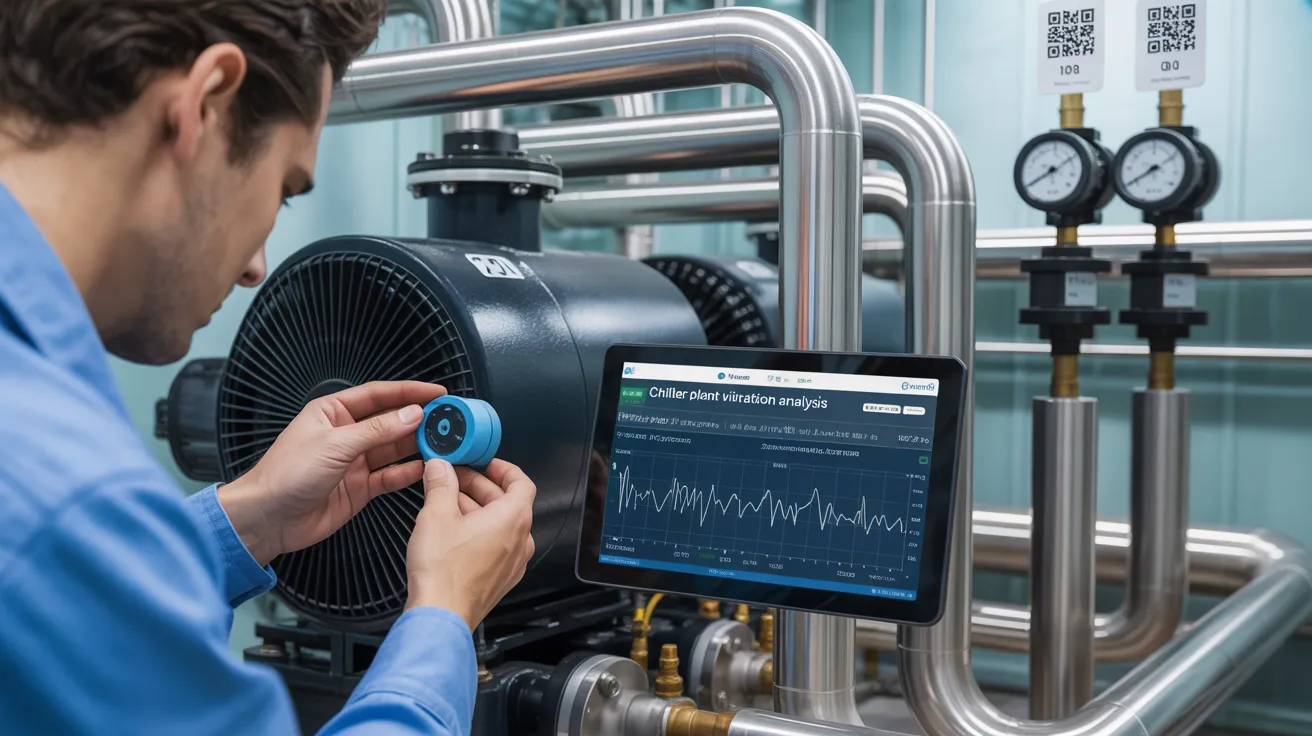
After defining core services and KPIs, the next lever to protect OPEX and uptime is a preventive maintenance program built on risk, run-time, and OEM specs—not assumptions. Schedule routine inspections based on asset criticality and load profiles, then fine-tune intervals leveraging trend data: failure rates, vibration, thermography, and oil analysis. This strengthens MTBF, decreases unplanned downtime, and ensures warranty obligations in good standing.
Standardize checklists, torque specifications, and calibration procedures to meet code and OEM specifications. Combine that with parts stocking determined by lead times, failure likelihood, and consumption data, so technicians have what they need on the first visit. You'll synchronize budgets with condition-based tasks, not calendar bloat, and track cost per asset hour, PM compliance, and findings closure rates to prove ROI and audit readiness.
Fast Response for Emergencies and Compliance
If a chiller trips, a sewer line overflows, or a fire alarm triggers incorrectly, minutes matter for safety, compliance, and operating costs. You must have technicians who deploy rapidly, diagnose precisely, and finalize work orders with proper documentation. With round-the-clock dispatch, you reduce mean time to repair and contain secondary damage that inflates budgets.
We triage calls using asset criticality, isolate hazards, and stabilize systems to keep you operational. Following this, we furnish timestamped reports, deficiency inventories, and corrective actions consistent with AHJ expectations. Our crews track regulatory revisions, NFPA testing timeframes, Title 24 specifications, and Cal/OSHA procedures, ensuring your responses align with code, not just practicality. You'll observe defined SLAs, first-visit repair goals, and parts availability metrics-demonstrating that emergency response isn't a cost center; it's mitigated risk and sustained compliance.
Choosing the Ideal Partner for Your Financial Plan and Objectives
Even before you request bids, determine the deliverables you're paying for: uptime targets, response SLAs, compliance requirements, and total cost of ownership. Then build supplier vetting around proof. Ask for five years of incident metrics, first-time fix rates, mean time to respond and repair, and audit histories. Verify technicians' certifications match your asset classes and regulatory scope. Score proposals on Budget alignment using a weighted model: 40% lifecycle cost, 30% performance KPIs, 20% compliance evidence, 10% scalability. Demand contract clauses for KPI reporting, parts traceability, and corrective-action website timelines. Benchmark rates against Livermore market data and check labor multipliers. Trial a site for 60-90 days with exit criteria connected to SLAs. Choose the partner whose data confirms predictable costs, verified compliance, and stable uptime.
Questions & Answers
Are Maintenance Providers Equipped with Specialized Insurance for Commercial Clients in Livermore?
Most maintenance providers in Livermore carry specialized insurance for commercial clients. You should check insurance types: general liability, workers' comp, commercial auto, and professional liability. Check that policy limits satisfy your risk profile-$1M/$2M is the norm, with higher limits for high-value sites. Request COIs, endorsements (additional insured, primary/non-contributory), and waiver of subrogation. Evaluate premiums versus deductibles, verify claims history, and confirm compliance with California regulations and your contract requirements.
Will Technicians Work Outside Regular Hours to Prevent Business Disruption?
Yes. You can arrange technicians for after hours access to reduce interruptions. With 76% of facilities reporting lowered downtime from staggered shifts, you'll keep operations running while controlling labor premiums. Service providers coordinate night or weekend windows, submit work plans, and follow OSHA and local noise ordinances to stay compliant. You set SLAs, access protocols, and budget caps; they deliver timestamped logs, before/after photos, and variance reports to verify productivity and cost control.
What Sustainability Practices Do Local Providers Implement During Maintenance?
Area specialists achieve measurable sustainability through energy audits, green cleaning, water‑saving retrofits, and waste diversion. You'll see smart controls, HVAC optimization, and LED conversions that reduce kWh 10‑25% with 12‑24 month paybacks. They choose third‑party certified products, reduce VOCs, and optimize dilution to reduce costs. Crews segregate recyclables, track landfill diversion, and document carbon emissions. They comply with CALGreen, LEED, and OSHA, delivering you measurable KPIs, compliance reports, and economical lifecycle savings.
How Are Sensitive Locations and Data-Protected Areas Managed During Service?
You address sensitive areas by implementing restricted access, escort-only entry, and pre-cleared crews with signed NDAs. Technicians comply with role-based work orders, chain-of-custody logs, and time-stamped badges. You secure data-secure spaces by segregating networks, using data encryption for device interfaces, and disabling external media. You decrease downtime with after-hours scheduling and scoped tasks, cutting labor costs. You meet SOC 2/ISO 27001 standards, document exceptions, and conduct post-service audits to confirm compliance and cost control.
Do Maintenance Records Integrate With My Current Facility Management Software?
Yes. You can link maintenance records with your existing facility management software via API integration, facilitating real-time cloud sync. You'll consolidate work orders, asset histories, and compliance checkpoints, reducing manual entry by up to 40% and reducing admin costs. Role-based access and audit trails support ISO and SOC reporting. You'll set sync frequency, data fields, and retention policies to meet budgets and SLAs, while dashboards present KPIs for uptime, MTTR, and lifecycle costs.
In Summary
You're choosing more than a vendor-you're picking the heartbeat of your business. Focus on pros who back claims with KPIs, uptime percentages, and SLA-backed response times. Look for preventive strategies that reduce lifecycle costs, documented compliance (OSHA, NFPA, EPA), and transparent pricing that safeguards your budget. Demand asset audits, CMMS reporting, and parts strategies that minimize MTTR. When bids arrive, compare total cost of ownership, not just hourly pricing. With the right partner, downtime drops and ROI increases.